A Glance at Tokyo: Japan’s Vibrant Capital
|
Feature |
Details |
|---|---|
|
Country Language Currency Ideal Trip Length Population Time Zone Best Known For Best Time to Visit |
Japan Japanese Japanese Yen (JPY) 4–7 days Around 14 million Japan Standard Time (JST) Food, culture, shopping, anime, history & technology March–May & October–November |
What makes Tokyo so famous?
Tokyo has earned its global reputation by offering experiences that are hard to find anywhere else.
-
Ancient temples surrounded by modern skyscrapers
-
World-famous Japanese cuisine from sushi to ramen
-
Incredible shopping districts like Ginza Tokyo and Harajuku
-
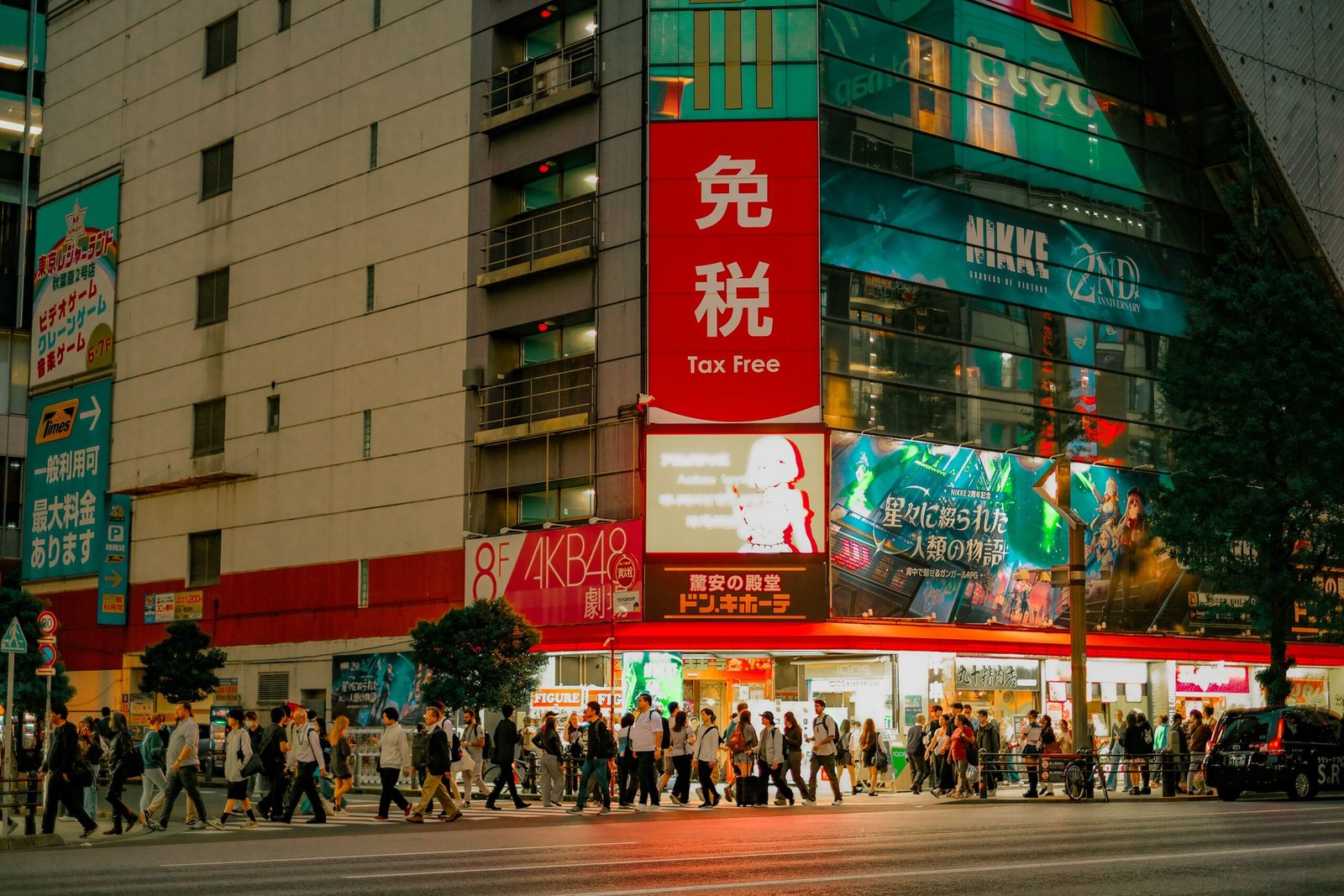
Pop culture paradise in Akihabara
-
Beautiful parks, museums, and seasonal cherry blossoms
-
One of the safest and cleanest major cities in the world
The city constantly evolves while preserving its traditions. That balance is one of the biggest reasons travelers return again and again.
Tokyo is one of the world’s most exciting cities, where ancient temples stand beside futuristic skyscrapers and peaceful gardens blend with busy shopping districts. As the capital of Japan, Tokyo offers a unique mix of culture, technology, incredible food, and unforgettable experiences for every type of traveler.
Whether you’re visiting for the first time or planning a return trip, you’ll find famous landmarks like Shibuya Crossing, Senso-ji Temple, and Tokyo Skytree, along with countless hidden neighborhoods waiting to be explored.


Tokyo is one of the world’s most exciting cities, where ancient temples stand beside futuristic skyscrapers
Why Do Millions Visit Tokyo
World-famous attractions from historic temples to modern observation decks.
Exceptional Japanese cuisine, including sushi, ramen, and Michelin-star dining.
Safe and efficient transportation with one of the world’s best train systems.
Unique neighborhoods like Shibuya, Shinjuku, Asakusa, and Harajuku, each with its own personality.
A perfect blend of tradition and innovation that makes every day feel different.
Tokyo isn’t just a destination—it’s a city full of discoveries, where every street offers something memorable, whether it’s a quiet shrine, a tiny local café, or dazzling neon lights.
Which section should we write next: H2 Why Visit Tokyo, Best Things to Do, or 3-Day Itinerary?
Why Visit Tokyo?


If someone asked me to describe Tokyo in one sentence, I’d say this:
” Tokyo is a city where every neighborhood tells a completely different story.”
That’s what separates it from many other destinations. Rather than offering one central attraction, Tokyo invites you to experience dozens of unique worlds within a single trip.
1. Experience two worlds in one city
Few cities combine history and innovation as naturally as Tokyo.
Begin your morning at Senso-ji Temple, where incense fills the air and visitors pray beneath the famous Kaminarimon Gate. By afternoon, you could be sipping coffee inside a robot-themed café or shopping for the latest technology in Akihabara.
This contrast isn’t staged for tourists—it’s simply everyday life in Tokyo.
2. Food becomes part of the adventure
A visit to Tokyo is also a journey through one of the world’s greatest food cities.
You don’t need expensive restaurants to eat well. Tiny family-owned ramen shops, neighborhood sushi counters, and bustling Tokyo street food markets often serve meals that rival luxury dining experiences.
Some must-try dishes include:
Fresh sushi
Tonkotsu ramen
Yakitori
Tempura
Okonomiyaki
Matcha desserts
Every neighborhood has its own specialties, making food one of the best reasons to explore beyond the famous tourist spots.
3. It feels surprisingly easy for first-time visitors
Despite its enormous size, Tokyo is incredibly organized.
English signs appear throughout most train stations, convenience stores are everywhere, and the Tokyo public transportation network makes reaching attractions remarkably convenient. Travelers often worry about navigating the city, but many discover it’s much easier than expected after learning a few train lines.
For anyone planning solo travel in Tokyo, the city’s safety, cleanliness, and helpful locals make it one of the world’s most comfortable destinations.
Best Time to Visit Tokyo


Choosing the best time to visit Tokyo can completely change your experience. Each season offers different festivals, scenery, and activities.
Seasonal comparison
Season | Weather | Best Experiences |
|---|---|---|
Spring (Mar–May) | Mild | Cherry blossoms, parks, festivals |
Summer (Jun–Aug) | Hot & humid | Fireworks, street festivals |
Autumn (Sep–Nov) | Cool | Fall colors, hiking, gardens |
Winter (Dec–Feb) | Cold but sunny | Illuminations, fewer crowds |
Spring: Tokyo’s most beautiful season
Spring transforms the city into a sea of pink blossoms. Parks such as Ueno Park and riverside walkways become gathering places for locals enjoying hanami, the Japanese tradition of cherry blossom viewing.
It’s also one of the busiest travel seasons, so booking accommodations early is essential.
Autumn: The underrated favorite
Many experienced travelers actually prefer autumn over spring.
The temperatures are comfortable, gardens glow with brilliant red and golden leaves, and attractions tend to feel less crowded. If your schedule is flexible, October and November offer an excellent balance between pleasant weather and manageable tourism.
Best Things to Do in Tokyo
No Tokyo travel guide would be complete without the city’s unforgettable attractions. While famous landmarks deserve their reputation, the magic often comes from experiencing them alongside local neighborhoods.
Shibuya Crossing: The world’s busiest intersection


Standing at Shibuya Crossing feels like watching organized chaos become an art form.
Every traffic light change sends thousands of people flowing across the intersection from every direction, yet somehow everything works perfectly. Visit during sunset, then head to the nearby Shibuya Sky observation deck for one of the city’s best panoramic views.
Don’t miss nearby:
Hachiko Statue
Shibuya Sky
Center Gai shopping street
Trendy cafés and fashion boutiques
Senso-ji Temple: Tokyo’s historic soul
Located in Asakusa, Senso-ji Temple is Tokyo’s oldest Buddhist temple, dating back to the 7th century.
Before reaching the main hall, visitors walk through Nakamise Street, a lively shopping avenue filled with traditional sweets, handmade souvenirs, folding fans, and Japanese crafts.
This area offers one of the richest cultural experiences in the city and remains an essential stop for anyone interested in Japanese culture.


Tokyo Skytree: Seeing the city from above
At 634 meters, Tokyo Skytree is the tallest structure in Japan.
On clear days, visitors can even spot Mount Fuji from Tokyo, creating one of the city’s most memorable photo opportunities. The tower also features shopping, restaurants, and an aquarium, making it much more than simply an observation deck.

Why These Attractions Matter
The real beauty of Tokyo isn’t checking landmarks off a bucket list.
It’s enjoying ramen after visiting a temple, discovering a quiet alley filled with lanterns, chatting with shop owners in Asakusa, or watching the city lights appear as evening falls over Shibuya. Those small moments often become the memories travelers treasure most.
Hidden Gems, Food Guide, Where to Stay & Getting Around Tokyo
Hidden Gems in Tokyo Most Tourists Miss
When people think of Tokyo attractions, they usually picture Shibuya Crossing, Tokyo Skytree, and Senso-ji Temple. Those places are incredible, but the city’s real personality often appears in the neighborhoods that don’t always make the front page of travel brochures. Exploring these quieter areas helps you experience Tokyo like a local and adds unforgettable moments to your Tokyo itinerary.
Yanaka: A Window Into Old Tokyo


While much of Tokyo was rebuilt after World War II, Yanaka preserved much of its historic charm. Walking through its narrow streets feels like stepping into another era. Traditional wooden homes, family-owned bakeries, tiny art galleries, and peaceful temples create an atmosphere that is calm and welcoming.
This neighborhood is perfect if you enjoy photography, slow travel, or simply escaping the crowds for an afternoon. Don’t be surprised if a friendly cat becomes your walking companion—Yanaka is famous for its love of felines.
Traditional Japanese architecture
Local cafés and handmade craft shops
Quiet temples without large crowds
Excellent walking neighborhood for photographers
Kagurazaka: Tokyo’s Elegant Hidden Neighborhood


Once known as Tokyo’s geisha district, Kagurazaka blends old Japan with modern sophistication. Its stone alleyways hide beautiful restaurants, boutique shops, and charming cafés. Interestingly, the neighborhood also has a strong French influence, giving it a unique international flavor.
It’s one of the best places for couples looking for a romantic evening walk away from the neon lights of Shinjuku.
Todoroki Valley: Nature Inside the City


Many travelers don’t realize Tokyo has its own lush valley. Todoroki Valley offers shaded walking trails, bamboo groves, and small waterfalls—all within the city limits. It’s proof that Tokyo isn’t only skyscrapers and shopping malls.
If your schedule feels busy, spending two relaxing hours here provides a refreshing reset before returning to the city’s energy.
The Ultimate Tokyo Food Guide
Tokyo food is one of the biggest reasons people visit Japan. The city has more Michelin-starred restaurants than anywhere else in the world, yet some of its best meals cost less than a movie ticket. Whether you’re planning budget travel in Tokyo or a luxury culinary adventure, you’ll eat exceptionally well.
Sushi: More Than Just Raw Fish


Tokyo is the birthplace of Edomae sushi, a style developed centuries ago using fresh seafood from Tokyo Bay. Today, you’ll find everything from elegant sushi counters to affordable conveyor-belt restaurants.
Tips for first-time visitors:
Sit at the counter if possible.
Let the chef recommend seasonal fish.
Eat nigiri in one bite for the best flavor.
Ginger cleanses your palate—it isn’t a topping.
Ramen Worth Waiting For


Every Tokyo neighborhood seems to have its own legendary ramen shop. Long lines often signal quality rather than hype, and many restaurants specialize in only one style.
Popular varieties include:
Ramen Style | Flavor |
|---|---|
Shoyu | Soy sauce-based |
Miso | Rich and hearty |
Shio | Light salt broth |
Tonkotsu | Creamy pork bone broth |
Tsukemen | Dipping noodles |
Tokyo Street Food You Shouldn’t Miss


Exploring Tokyo street food is one of the easiest ways to experience authentic Japanese flavors without spending much money.
Must-try favorites include:
Takoyaki – Crispy octopus balls
Taiyaki – Fish-shaped pastry filled with sweet bean paste
Yakitori – Grilled chicken skewers
Mochi – Soft rice cakes with seasonal fillings
Melon Pan – Sweet fluffy bread with a crisp cookie crust
Many visitors discover their favorite meal isn’t in a famous restaurant but from a tiny stall tucked beside a temple.
Food Markets Worth Visiting
Although the famous inner fish auction moved, the Tsukiji food market remains one of Tokyo’s best places for fresh seafood, sushi breakfasts, and local snacks. Arrive early to enjoy the liveliest atmosphere and the freshest selections.


Neighborhood | Best For |
|---|---|
Shinjuku | Nightlife & convenience |
Shibuya | First-time visitors |
Asakusa | Culture & history |
Ginza | Luxury shopping |
Ueno | Museums & families |
Akihabara | Anime & gaming fans |
Shibuya: Best for First-Time Visitors
If this is your first time in Tokyo, Shibuya is hard to beat. You’ll have easy access to trains, shopping, restaurants, and many major attractions. The neighborhood stays lively late into the evening, making it convenient for travelers who enjoy exploring after dinner.
Asakusa: Best for Culture Lovers
For a quieter experience, Asakusa offers traditional charm while remaining well connected by the Tokyo Metro. Morning walks around Senso-ji before the crowds arrive are especially memorable.
Luxury vs Budget Accommodation
Tokyo surprises many travelers because excellent hotels exist across every price range.
Budget | Mid-Range | Luxury |
|---|---|---|
Capsule hotels | Business hotels | Five-star hotels |
Hostels | Boutique hotels | Ryokan experiences |
Guesthouses | Apartment rentals | Premium city views |
A clean business hotel often includes exceptional service, fast Wi-Fi, and an outstanding location, making it a favorite among professional travelers.
How to Get Around Tokyo Like a Local
One of the smartest Tokyo travel tips is learning the transportation system early. It looks intimidating, but after one or two rides, it becomes surprisingly simple.
Understanding the Tokyo Metro


The Tokyo Metro and JR rail network connect nearly every major attraction. Color-coded lines, bilingual signs, and clear announcements make navigation much easier than many visitors expect.
The famous JR Yamanote Line circles central Tokyo and stops at many popular districts, including:
Shibuya
Shinjuku
Ueno
Tokyo Station
Akihabara
Learning this single train line can simplify much of your trip.
IC Cards Make Everything Easier
Instead of buying individual tickets, use an IC card such as Suica or PASMO. Simply tap in and tap out at station gates.
Benefits include:
Faster boarding
No need to calculate fares
Works on trains, buses, and many vending machines
Convenient for convenience stores and small purchases
It’s one of the easiest ways to make your Tokyo public transportation experience stress-free.
Walking Is Part of the Adventure
Although trains cover long distances, many of Tokyo’s greatest discoveries happen on foot. You might stumble across a hidden shrine, a tiny bookstore, or a ramen shop with only eight seats. Leave room in your schedule for wandering—some of the city’s best memories are completely unplanned.
Local Travel Tips Professionals Appreciate
Business travelers and busy professionals often have limited vacation time. These strategies help maximize every day.
|
Tip |
Why It Helps |
|---|---|
|
Stay near a JR station |
Saves commuting time |
|
Carry cash and an IC card |
Some small shops remain cash-friendly |
|
Visit attractions early |
Smaller crowds and better photos |
|
Use convenience stores for breakfast |
Affordable and surprisingly delicious |
|
Download offline maps |
A Small Story You’ll Remember
On my first morning in Asakusa, I planned to spend only thirty minutes visiting Senso-ji Temple. Three hours later, I was still there after discovering tiny family-owned shops, watching artisans make traditional sweets, and chatting with a shopkeeper about handmade folding fans. That unexpected detour became one of the most memorable parts of the trip.
Tokyo has a funny way of rewarding curiosity. The places you never planned to visit often become the stories you tell for years.
The Perfect Tokyo Itinerary, Day Trips, Budget & Essential Travel Tips
The best way to experience Tokyo, Japan is to balance its world-famous landmarks with its local neighborhoods. This section gives you a practical Tokyo itinerary, affordable budgeting advice, cultural etiquette, and the essential travel tips every visitor should know.
Lorem ipsum dolor sit amet, consectetur adipiscing elit. Ut elit tellus, luctus nec ullamcorper mattis, pulvinar dapibus leo.
The Perfect 3-Day Tokyo Itinerary
If you only have three days, don’t worry. While Tokyo deserves weeks of exploration, you can still experience its highlights without feeling rushed. This itinerary combines iconic attractions, incredible food, shopping, and authentic Japanese culture.
Day 1: Tokyo’s Iconic Landmarks


Your first day is about experiencing the famous places that make Tokyo one of the world’s most recognizable cities.
Time | Activity |
|---|---|
8:00 AM | Visit Senso-ji Temple |
10:00 AM | Walk Nakamise Shopping Street |
1:00 PM | Lunch in Asakusa |
3:00 PM | Explore Tokyo Skytree |
6:00 PM | Watch sunset from Shibuya |
Evening | Dinner near Shibuya Crossing |
Start early at Senso-ji Temple before the crowds arrive. The peaceful morning atmosphere feels completely different from the busy afternoon. Afterwards, browse Nakamise Street for traditional snacks and handmade souvenirs.
In the evening, head to Shibuya Crossing. As thousands of people cross the intersection beneath glowing billboards, you’ll understand why this location has become a global symbol of modern Tokyo.
- Travel Tip: Sunset at Shibuya Sky offers some of the best panoramic views of the city skyline.
Day 2: Culture, Parks & Incredible Food


Begin with Meiji Shrine, surrounded by a beautiful forest in the middle of the city. The peaceful walking paths make it hard to believe you’re standing inside one of the world’s largest metropolitan areas.
Afterward, explore nearby Harajuku, where colorful fashion, dessert cafés, and creative boutiques create one of Tokyo’s most unique neighborhoods.
Must-do experiences
Visit Meiji Shrine
Walk through Yoyogi Park
Shop along Takeshita Street
Eat authentic ramen for lunch
Finish with museums or gardens in Ueno
This day perfectly blends Japanese culture with modern youth fashion.
Day 3: Hidden Gems & Local Living


Morning in Yanaka offers traditional streets and artisan shops. Afternoon belongs to Akihabara, especially if you love anime, gaming, or electronics. End the trip inside a cozy izakaya, where locals gather after work for delicious food and conversation.
Sometimes the final day becomes everyone’s favorite because it feels less like sightseeing and more like living in Tokyo.
Best Day Trips from Tokyo
One of Tokyo’s greatest advantages is its location. Several spectacular destinations are less than two hours away, making them perfect additions to your Tokyo travel guide.
1. Mount Fuji


No image represents Japan more than Mount Fuji.
Whether you admire it from Lake Kawaguchiko or photograph it behind the famous Chureito Pagoda, this UNESCO World Heritage site delivers unforgettable scenery throughout the year.
Best for: Photography, nature, couples
Travel time: Approximately 2 hours
2. Hakone


If relaxation sounds appealing, Hakone is an excellent escape.
Visitors enjoy:
-
Natural hot springs
-
Traditional ryokan inns
-
Lake Ashi cruises
-
Volcanic landscapes
-
Views of Mount Fuji on clear days
It’s one of the best choices for professionals wanting a peaceful break from busy city life
3. Kamakura


Less than an hour from Tokyo, Kamakura feels like Japan’s historic coastal capital.
Highlights include the famous Great Buddha, beautiful temples, bamboo gardens, and charming shopping streets filled with local sweets.
Tokyo Travel Budget
Many people assume Tokyo is extremely expensive. Surprisingly, it can fit almost any budget with smart planning.
Average daily travel costs
|
Traveler Type |
Daily Budget |
|---|---|
|
Budget |
$70–120 |
|
Mid-range |
$150–250 |
|
Luxury |
$350+ |
These estimates include accommodation, transportation, food, and sightseeing.
Where your money goes
|
Expense |
Budget Option |
|---|---|
|
Hotel |
$45–90 |
|
Meals |
$20–40 |
|
Transportation |
$8–15 |
|
Attractions |
$15–35 |
Convenience stores like 7-Eleven, FamilyMart, and Lawson sell surprisingly high-quality meals, making them excellent options for affordable breakfasts and lunches.
How to Save Money in Tokyo
Saving money doesn’t mean sacrificing experiences.
Smart money-saving tips
-
Purchase an IC card for easier transportation.
-
Visit free attractions like Meiji Shrine and Ueno Park.
-
Eat lunch instead of expensive dinner sets.
-
Stay near major train stations.
-
Use observation decks with free city views when available.
A thoughtful Tokyo travel budget lets you enjoy more experiences instead of spending everything on transportation or accommodation.
Essential Tokyo Travel Tips
Great trips often come down to small details. These practical Tokyo travel tips will make your visit smoother from day one.
Learn basic Japanese phrases
Locals appreciate even a small effort.
|
English |
Japanese |
|---|---|
|
Hello |
Konnichiwa |
|
Thank you |
Arigatou gozaimasu |
|
Excuse me |
Sumimasen |
|
Yes |
Hai |
|
No |
Iie |
You don’t need to speak Japanese fluently, but these expressions often receive warm smiles.
Stay connected
Reliable internet makes navigating Tokyo much easier.
Options include:
-
eSIM plans
-
Pocket Wi-Fi rental
-
International roaming
-
Hotel Wi-Fi
Having Google Maps available transforms navigating the Tokyo Metro into a simple task.
Cash or Card?
Japan has become increasingly card-friendly, but cash still matters.
Carry enough yen for:
-
Small restaurants
-
Temple donations
-
Street food vendors
-
Local markets
ATMs inside convenience stores usually accept international cards.
Do’s and Don’ts in Tokyo
Respecting local customs helps visitors enjoy a more authentic experience.
Do’s
-
Queue patiently while waiting for trains.
-
Speak quietly on public transportation.
-
Carry your trash until you find a bin.
-
Remove shoes where required.
-
Be respectful at shrines and temples.
These simple habits reflect Japanese courtesy and make traveling easier.
Don’ts
-
Don’t eat while walking in crowded areas.
-
Don’t talk loudly on trains.
-
Don’t tip in restaurants.
-
Don’t block sidewalks for photos.
-
Don’t enter restricted temple areas.
A little etiquette goes a long way.
Shopping in Tokyo


Whether you’re buying luxury fashion or handcrafted souvenirs, Tokyo shopping offers something for every traveler.
Best shopping districts
|
District |
Known For |
|---|---|
|
Ginza |
Luxury brands |
|
Harajuku |
Youth fashion |
|
Shibuya |
Trendy shopping |
|
Akihabara |
Electronics & anime |
|
Asakusa |
Traditional souvenirs |
Souvenirs worth bringing home
-
Japanese tea
-
Handmade chopsticks
-
Folding fans
-
Matcha sweets
-
Anime collectibles
-
Traditional ceramics
Many larger stores also offer tax-free shopping for eligible international visitors.
Tokyo Nightlife Guide


Tokyo transforms after sunset.
Instead of loud nightlife alone, the city offers cozy alleyways, rooftop lounges, jazz cafés, and intimate restaurants perfect for unwinding after a day of sightseeing.
Best evening experiences
Watch the skyline from a rooftop
Explore Golden Gai‘s tiny themed bars
Eat yakitori in Omoide Yokocho
Visit illuminated shopping streets
Enjoy late-night dessert cafés
The atmosphere feels energetic without being overwhelming, making it enjoyable for both couples and solo travelers.
A Traveler’s Story
A business traveler once planned to spend only one evening exploring Shinjuku before flying home. Instead of visiting another shopping mall, he wandered into Omoide Yokocho, a narrow alley filled with tiny yakitori restaurants seating fewer than ten people. He shared grilled skewers with local office workers despite speaking almost no Japanese. By the end of the meal, everyone was laughing together over simple food and friendly gestures.
That’s the magic of Tokyo. Sometimes the smallest alley creates the biggest memory.
Frequently Asked Questions About Tokyo
1. Is Tokyo worth visiting? Why Visit Tokyo?
Tokyo is one of the world’s most exciting travel destinations, blending ancient traditions with futuristic innovation. From centuries-old temples and peaceful Japanese gardens to neon-lit shopping districts, anime culture, and world-famous cuisine, the city offers unforgettable experiences for every type of traveler.
For first-time visitors, Tokyo is the perfect introduction to Japan. It’s safe, clean, efficient, and packed with iconic attractions, making it easy to experience the country’s rich history, modern lifestyle, and incredible food in one remarkable city.
2. How many days do you need in Tokyo?
A 4–7 day trip is ideal for most travelers.
|Trip Length
Best For
2–3 Days
Major landmarks only
4–5 Days
Best overall experience|
6–7 Days
Hidden gems & day trips
8+ Days
Slow travel & local culture
If your schedule allows, adding a day trip to Mount Fuji, Hakone, or Kamakura makes the experience even more rewarding.
3. Is Tokyo expensive for tourists?
Not necessarily.
While Tokyo has luxurious hotels and fine dining, it’s surprisingly flexible for different budgets. Affordable business hotels, excellent public transportation, and delicious meals under $15 make budget travel in Tokyo much easier than many people expect.
A smart traveler can enjoy incredible experiences without overspending by using the Tokyo Metro, eating at local restaurants, and visiting many free attractions.
4. Is Tokyo safe for solo travelers?
Yes. Tokyo consistently ranks among the safest major cities in the world. Solo travelers, including women, often feel comfortable using trains late into the evening, walking through busy neighborhoods, and exploring independently.
That said, normal travel awareness still applies:
-
Keep valuables secure.
-
Follow local etiquette.
-
Stay aware in crowded tourist areas.
-
Save emergency contacts on your phone.
5. Is Tokyo safe for solo travelers?
Yes. Tokyo is considered one of the safest large cities in the world. Solo travelers, including women, generally feel comfortable using public transportation, walking at night in busy areas, and exploring independently.
6. Do people speak English in Tokyo?
Many hotels, train stations, attractions, and restaurants have English signs or menus. While not everyone speaks fluent English, basic communication is usually easy in tourist areas.
7. What currency is used in Tokyo?
Tokyo uses the Japanese Yen (JPY). Credit cards are widely accepted, but it’s still a good idea to carry some cash for street food, temples, and smaller local businesses.
8. Do I need cash, or can I use a credit card?
Both are useful. Most hotels, department stores, and larger restaurants accept credit cards, but many small ramen shops, markets, and family-owned cafés still prefer cash.
9. Is the Tokyo Metro easy to use?
Absolutely. The Tokyo Metro is one of the world’s most organized subway systems. Stations are color-coded, signs are available in English, and route-planning apps make navigation very simple.
10. What are the must-see attractions in Tokyo?
Some of the most popular Tokyo attractions include:
-
Shibuya Crossing
-
Senso-ji Temple
-
Tokyo Skytree
-
Meiji Shrine
-
Harajuku
-
Akihabara
-
Ueno Park
-
Ginza
11. Where should first-time visitors stay in Tokyo?
Shibuya is the best all-around choice because it’s centrally located with excellent transportation, restaurants, shopping, and nightlife. Asakusa is perfect for travelers who prefer a quieter, traditional atmosphere.
12. Is Tokyo family-friendly?
Yes! Families will find plenty of activities, including parks, museums, aquariums, interactive attractions, and kid-friendly restaurants. Tokyo is also clean, safe, and easy to navigate with children.
13. What food should I try in Tokyo?
Don’t leave without trying:
-
Sushi
-
Ramen
-
Yakitori
-
Tempura
-
Takoyaki
-
Matcha desserts
-
Japanese street food from local markets
14. Can I see Mount Fuji from Tokyo?
Yes. On clear days, Mount Fuji is visible from several observation decks, including Tokyo Skytree and some high-rise buildings. You can also take an easy day trip to Lake Kawaguchiko for even better views.
15. What should I pack for Tokyo?
Your packing list depends on the season, but essentials include comfortable walking shoes, a portable charger, a reusable water bottle, weather-appropriate clothing, and an IC card or digital payment option for transportation.
16. What are the biggest mistakes tourists make in Tokyo?
Common mistakes include:
-
Traveling during rush hour with large luggage
-
Speaking loudly on trains
-
Not carrying enough cash
-
Trying to visit too many attractions in one day
-
Skipping the less touristy neighborhoods
17. Is Tokyo a good destination for professionals on vacation?
Definitely. Tokyo offers an excellent mix of productivity and relaxation. Fast public transportation, reliable Wi-Fi, outstanding cafés, luxury hotels, peaceful gardens, and world-class dining make it an ideal destination for professionals looking to unwind.
18. What souvenirs should I buy in Tokyo?
Popular souvenirs include Japanese tea, handmade chopsticks, ceramics, folding fans, matcha sweets, anime collectibles, stationery, and traditional crafts from Asakusa.
19. How do I get from Narita or Haneda Airport to central Tokyo?
Both airports are well connected by trains, airport express services, buses, and taxis. Haneda Airport is closer to the city, while Narita Airport offers several fast rail options into central Tokyo.
20. Is Tokyo worth visiting more than once?
Without question. Every neighborhood has its own personality, every season changes the city’s scenery, and there’s always another hidden café, garden, festival, or local street waiting to be discovered. Many travelers visit Tokyo multiple times and have a completely different experience on each trip.
21 . Do people speak English in Tokyo?
English is common in many tourist areas, train stations, hotels, and major attractions. While not everyone speaks it fluently, bilingual signs make navigating the city relatively easy.
Learning a few Japanese phrases—like Sumimasen (Excuse me) and Arigatou gozaimasu (Thank you)—is always appreciated.
22. What is the best month to visit Tokyo?
It depends on the experience you’re looking for.
-
March–April: Cherry blossoms and spring festivals
-
May: Pleasant weather with fewer crowds
-
October–November: Beautiful autumn colors and comfortable temperatures
-
December: Stunning winter illuminations and festive city lights
For many travelers, October and November offer the best balance of weather, scenery, and crowd levels.
My Top Recommendations for Visiting Tokyo
After exploring Tokyo’s famous landmarks and lesser-known neighborhoods, these are the experiences I would prioritize for almost any traveler.

Watch sunset from Shibuya Sky
Skip the crowds below and see the world’s busiest city glow from above.
Watch sunset from Shibuya Sky
Skip the crowds below and see the world’s busiest city glow from above.

Visit Senso-ji before 9 AM
The temple feels completely different when it’s quiet and filled with morning light.

Spend an afternoon in Yanaka
Discover Old Tokyo through artisan shops, cozy cafés, and peaceful streets.

Eat where the locals eat
Some of Tokyo’s best meals come from tiny ramen shops and neighborhood izakayas.

It may look complicated, but it’s one of the easiest ways to explore the city efficiently.
These recommendations combine the city’s biggest highlights with experiences that create lasting memories.
Frequently Asked Questions About Tokyo (Expanded SEO FAQ)
1. Is Tokyo worth visiting?
Yes! Tokyo is one of the world’s most exciting destinations, offering a perfect blend of ancient traditions, futuristic technology, incredible food, and unforgettable attractions. Whether you’re visiting for culture, shopping, anime, or Japanese cuisine, there’s something for everyone.
2. How many days should I spend in Tokyo?
The ideal trip is 4–7 days.
Days | What You Can Do |
|---|---|
2–3 | Visit the major landmarks |
4–5 | Explore neighborhoods and food spots |
6–7 | Add hidden gems and day trips |
3. What is the best time to visit Tokyo?
The best months are March to May for cherry blossoms and October to November for beautiful autumn colors and comfortable weather. These seasons are ideal for sightseeing and outdoor activities.
4. Is Tokyo expensive for tourists?
Tokyo can fit almost any budget. Budget travelers can comfortably spend $70–120 per day, while mid-range travelers usually spend $150–250. Excellent public transportation and affordable restaurants make it easier to save money.
5. Is Tokyo safe for solo travelers?
Yes. Tokyo is considered one of the safest large cities in the world. Solo travelers, including women, generally feel comfortable using public transportation, walking at night in busy areas, and exploring independently.
6. Do people speak English in Tokyo?
Many hotels, train stations, attractions, and restaurants have English signs or menus. While not everyone speaks fluent English, basic communication is usually easy in tourist areas.
7. What currency is used in Tokyo?
Tokyo uses the Japanese Yen (JPY). Credit cards are widely accepted, but it’s still a good idea to carry some cash for street food, temples, and smaller local businesses.
8. Do I need cash, or can I use a credit card?
Both are useful. Most hotels, department stores, and larger restaurants accept credit cards, but many small ramen shops, markets, and family-owned cafés still prefer cash.
9. Is the Tokyo Metro easy to use?
Absolutely. The Tokyo Metro is one of the world’s most organized subway systems. Stations are color-coded, signs are available in English, and route-planning apps make navigation very simple.
10. What are the must-see attractions in Tokyo?
Some of the most popular Tokyo attractions include:
Shibuya Crossing
Senso-ji Temple
Tokyo Skytree
Meiji Shrine
Harajuku
Akihabara
Ueno Park
Ginza
11. Where should first-time visitors stay in Tokyo?
Shibuya is the best all-around choice because it’s centrally located with excellent transportation, restaurants, shopping, and nightlife. Asakusa is perfect for travelers who prefer a quieter, traditional atmosphere.
12. Is Tokyo family-friendly?
Yes! Families will find plenty of activities, including parks, museums, aquariums, interactive attractions, and kid-friendly restaurants. Tokyo is also clean, safe, and easy to navigate with children.
13. What food should I try in Tokyo?
Don’t leave without trying:
Sushi
Ramen
Yakitori
Tempura
Takoyaki
Matcha desserts
Japanese street food from local markets
14. Can I see Mount Fuji from Tokyo?
Yes. On clear days, Mount Fuji is visible from several observation decks, including Tokyo Skytree and some high-rise buildings. You can also take an easy day trip to Lake Kawaguchiko for even better views.
15. What should I pack for Tokyo?
Your packing list depends on the season, but essentials include comfortable walking shoes, a portable charger, a reusable water bottle, weather-appropriate clothing, and an IC card or digital payment option for transportation.
16. What are the biggest mistakes tourists make in Tokyo?
Common mistakes include:
Traveling during rush hour with large luggage
Speaking loudly on trains
Not carrying enough cash
Trying to visit too many attractions in one day
Skipping the less touristy neighborhoods
17. Is Tokyo a good destination for professionals on vacation?
Definitely. Tokyo offers an excellent mix of productivity and relaxation. Fast public transportation, reliable Wi-Fi, outstanding cafés, luxury hotels, peaceful gardens, and world-class dining make it an ideal destination for professionals looking to unwind.
18. What souvenirs should I buy in Tokyo?
Popular souvenirs include Japanese tea, handmade chopsticks, ceramics, folding fans, matcha sweets, anime collectibles, stationery, and traditional crafts from Asakusa.
19. How do I get from Narita or Haneda Airport to central Tokyo?
Both airports are well connected by trains, airport express services, buses, and taxis. Haneda Airport is closer to the city, while Narita Airport offers several fast rail options into central Tokyo.
20. Is Tokyo worth visiting more than once?
Without question. Every neighborhood has its own personality, every season changes the city’s scenery, and there’s always another hidden café, garden, festival, or local street waiting to be discovered. Many travelers visit Tokyo multiple times and have a completely different experience on each trip.
Why Tokyo Captures Every Traveler’s Heart
At the beginning of this guide, I told you that Tokyo is a city where a 1,400-year-old temple stands just minutes from the busiest pedestrian crossing in the world. After exploring its neighborhoods, food, culture, gardens, and skyline, that idea becomes much more than a catchy introduction—it becomes the essence of Tokyo itself.
Tokyo isn’t simply about checking famous attractions off a list. It’s about watching the sunrise over Senso-ji Temple, getting wonderfully lost in the colorful streets of Harajuku, sharing ramen beside local office workers, discovering quiet alleys in Yanaka, and ending the day beneath the dazzling lights of Shibuya Crossing. Every neighborhood offers a different story, and every traveler leaves with a different favorite memory.
Whether you’re planning your first time in Tokyo, organizing a family vacation, traveling solo, or taking a well-earned break from a busy professional life, Tokyo rewards curiosity. The city invites you to slow down, look beyond the obvious, and embrace both its timeless traditions and remarkable innovation.
Start Planning Your Tokyo Adventure Today
The perfect Tokyo itinerary isn’t about seeing everything—it’s about experiencing the moments that matter most. Choose a season that fits your travel style, explore both iconic landmarks and hidden gems, enjoy authentic Tokyo food, and don’t be afraid to wander. Some of the city’s greatest discoveries happen when you step off the planned route.
So, what kind of Tokyo adventure will you create? Which neighborhood will become your favorite, and what unforgettable memory are you hoping to bring home?
Final Thoughts: Why Tokyo Should Be Your Next Adventure
Tokyo is more than a destination—it’s a city where every day feels like a new discovery. At the beginning of this guide, we explored the idea that a 1,400-year-old temple can exist just minutes from the busiest crossing in the world. After walking through its neighborhoods, tasting its incredible food, riding the Tokyo Metro, and experiencing both its peaceful gardens and dazzling skyline, it’s clear that this contrast is what makes Tokyo unforgettable.
From the historic beauty of Senso-ji Temple and Meiji Shrine to the excitement of Shibuya Crossing, Harajuku, Akihabara, and Tokyo Skytree, every part of the city offers a different experience. Whether you’re planning your first time in Tokyo, traveling on a budget, enjoying a luxury getaway, or taking a well-deserved break from work, Tokyo welcomes every kind of traveler with its unique mix of tradition, innovation, and hospitality.
The best Tokyo itinerary isn’t about seeing everything—it’s about creating meaningful memories. Wander through hidden streets, enjoy authentic Tokyo food, visit local markets, and leave room for unexpected adventures. Those spontaneous moments often become the stories you’ll remember long after your trip is over.
Start Planning Your Tokyo Journey
If Tokyo has been on your travel bucket list, there has never been a better time to start planning. Choose the season that fits your style, explore both famous landmarks and hidden gems, and embrace everything this remarkable city has to offer.
So, which Tokyo neighborhood will you explore first? What local dish are you most excited to try? And what unforgettable memory do you hope to bring home from Japan’s vibrant capital?